


From April 24 to 30, 2025, I led a delegation of twenty-six people — entrepreneurs, managers, professionals, academics and university students — through Silicon Valley, between San Francisco and the South Bay. It was the Foundation's first major international mission: seven days spent studying, from the inside, the ecosystem that has been inventing the future before anyone else for half a century.
Having the youngest members with us was no minor detail. The first bridge the Foundation wants to build is precisely the one between the "differently young," who often hold the decision-making power, and the young, who represent the future in every sense. And we were heading to the place where, for fifty years, that future has been invented before anywhere else.
The cradle that still sets the pace
For years people have talked about Silicon Valley's decline, about an exodus to Austin, Miami, London. On the ground, you witness firsthand the exact opposite. This corner of California remains the place where capital, talent and ideas concentrate at a density unmatched anywhere in the world — and it is still here that the pace of innovation is set.
The numbers leave no room for nuance. According to Crunchbase data, in 2024 Bay Area startups raised around $90 billion — 57% of all venture capital in the United States. And in the very months of our mission, in early 2025, the area alone captured almost 70% of American VC investment. On artificial intelligence the concentration is even more extreme: in 2025, according to PitchBook and Crunchbase, the Bay Area attracted about 60% of global AI funding, while accounting for a minority of the deals.
There is a physical reason for all this. Along a few miles of Sand Hill Road, in Menlo Park, sit the funds that backed Apple, Google and Airbnb. A few miles away, Stanford and UC Berkeley turn out thousands of engineers every year. There is also a matter of human density and speed. According to SignalFire data, about 49% of the engineers at large US tech companies live here; and a Valley startup, PitchBook reports, goes from its first to its second funding round in fourteen months on average, against eighteen in Austin and twenty-two in Europe. It is no coincidence that after the pandemic years and the departures for Austin and Miami, capital concentrated here again in 2025, more than before: the San Francisco and Silicon Valley area alone accounted for over half of all US venture capital, the highest share in over a decade. Capital, universities and companies talk to each other every day, in person — at a speed that is unthinkable elsewhere. This is the ecosystem we went to study.
Geographic boundaries are no longer a barrier. A group of people setting out from Italy can sit at the tables that matter, listen, learn and build relationships.
San Francisco: institutions, research and the human factor
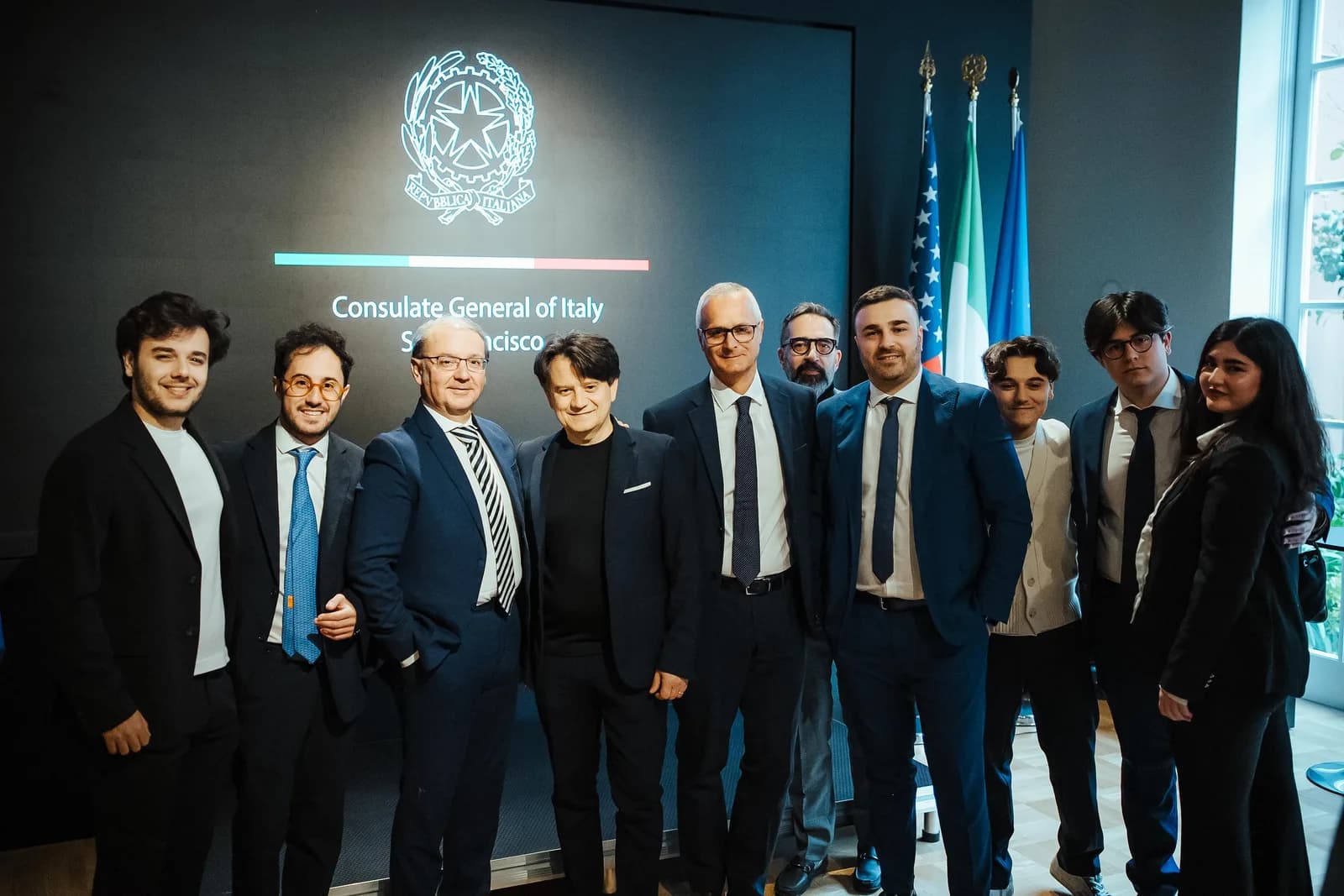
We landed in San Francisco on April 24, and the first door to open was that of the Consulate General of Italy: Consul Sergio Strozzi welcomed us for a meeting on the "Italian System in California." We start from our country's institutional presence before we turn to the companies — that is how we see these journeys: not tech tourism, but missions with a framework and a sense of responsibility.
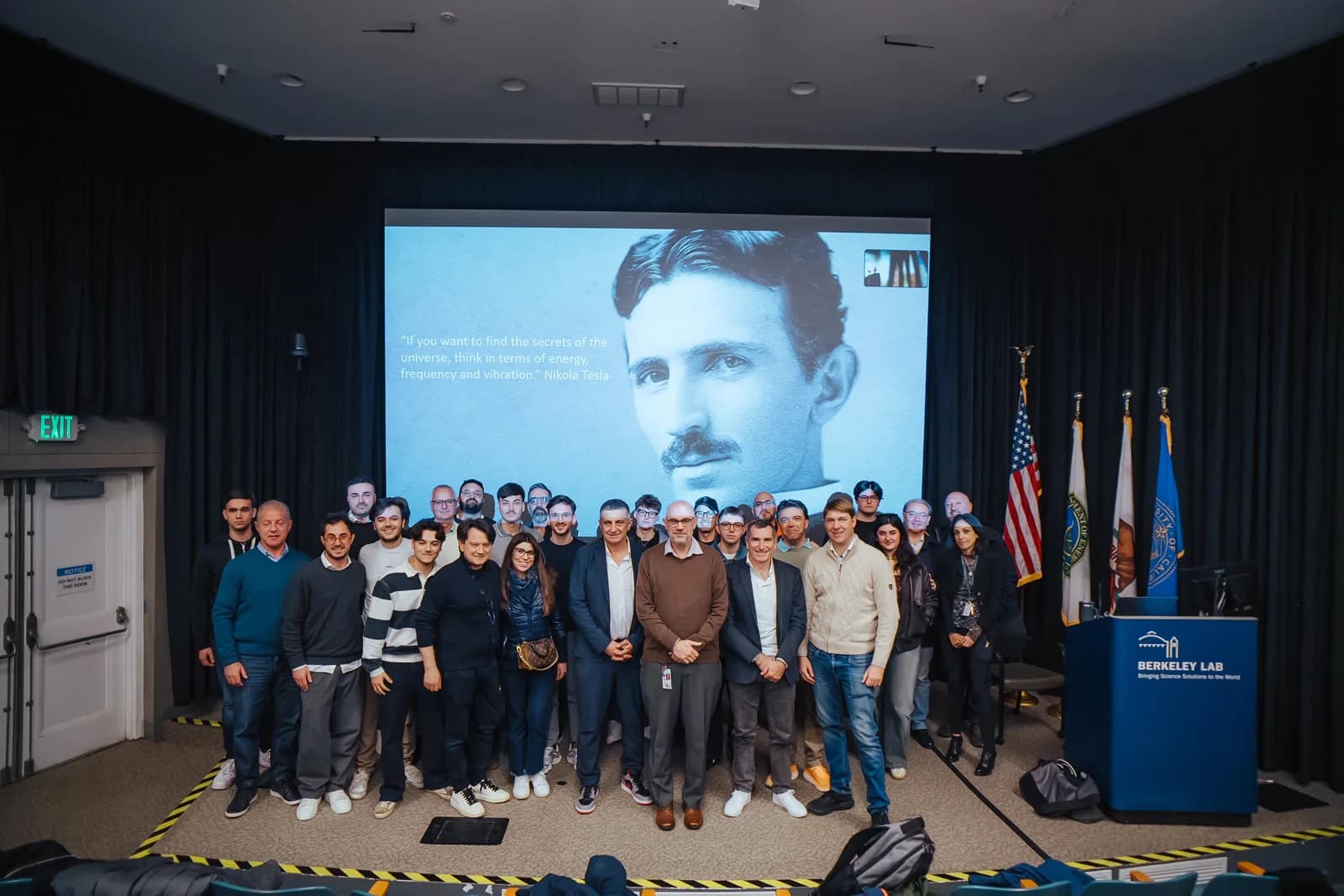
The next day we entered Berkeley Lab, hosted by Professor Alessandro Ratti: a laboratory doing frontier research, the stage where ideas are born long before they become products. Shortly after, the other side of the coin — the product that reaches millions of people — at Airbnb, thanks to Salvatore Giammarresi: a company culture built around the user experience.
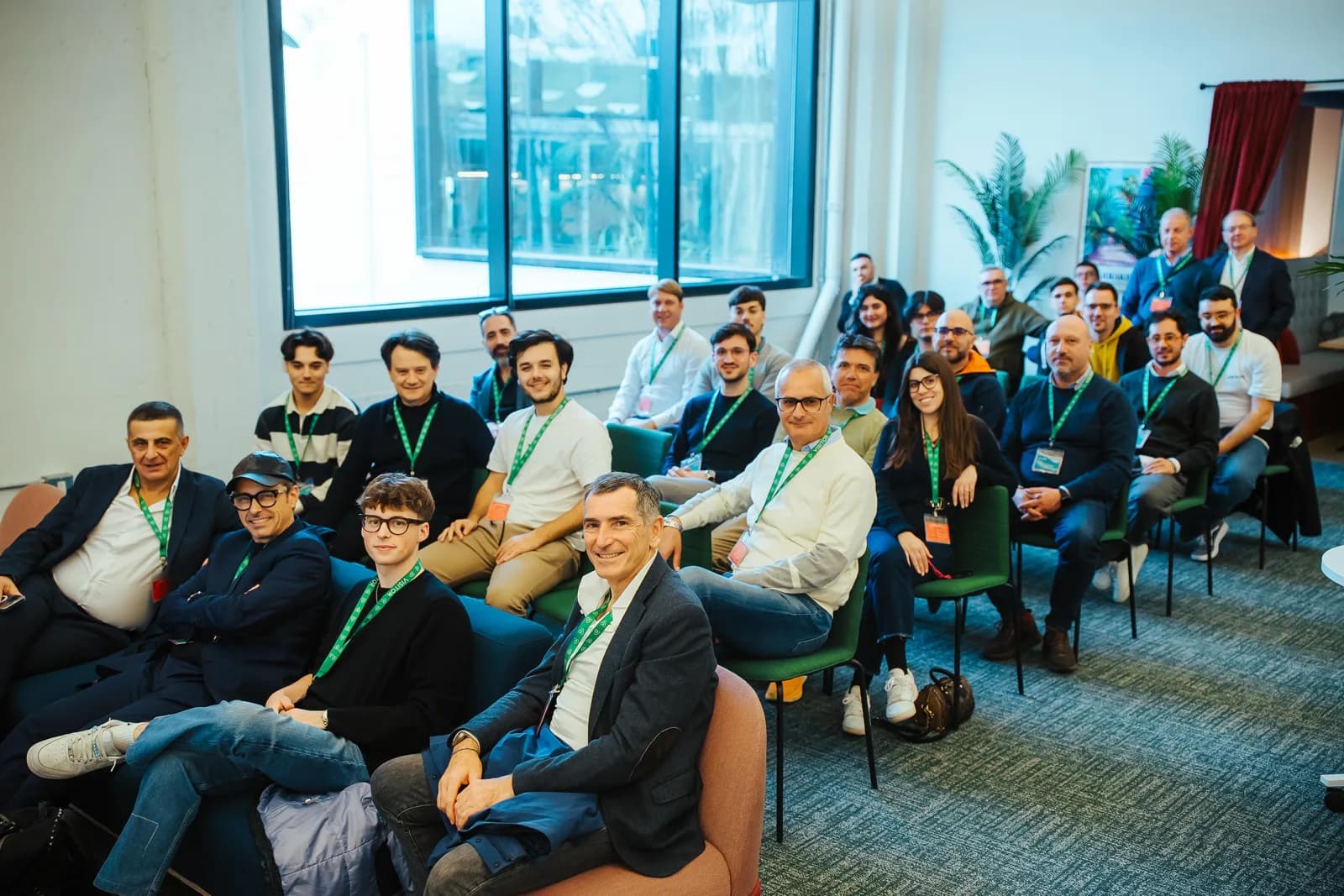
That evening, at dinner, came the moment I still carry with me. We met Don Norman, the father of human-centered design, together with entrepreneur Marco Trombetti and Alessandro Cannas of Google. Hearing the man who taught the world to put people at the center talk about technology confirmed our deepest belief: technology only matters if it becomes a bridge to people. It is no coincidence that this is our tagline: the bridge between technology and people.
On April 26 we were hosted by Translated, Marco Trombetti's company, which has turned AI-powered translation into an Italian success story in the heart of the Valley — his own bet on the moment when machines will match humans at translation.
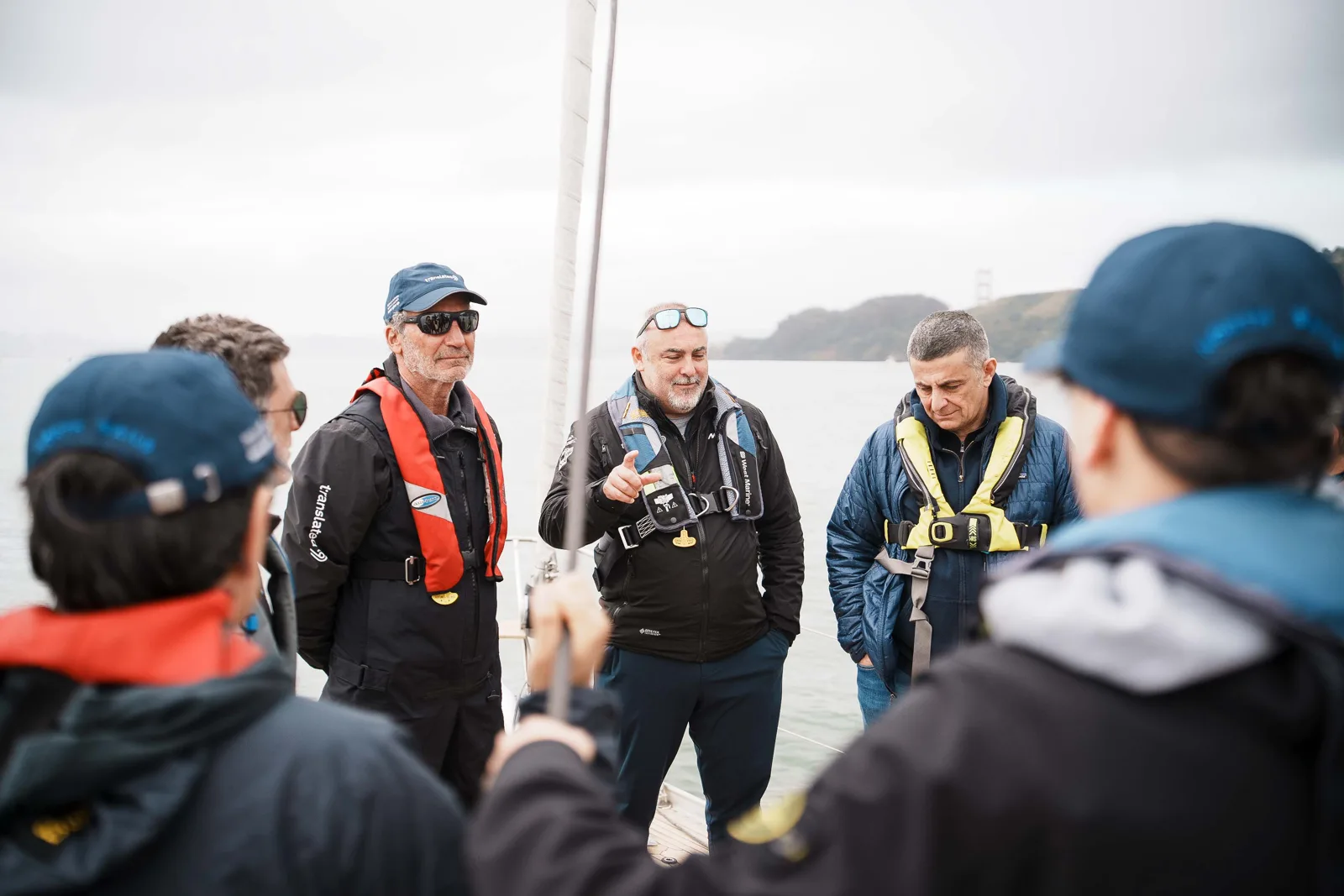
And then a moment worth as much as a company visit: a tour of the Bay with Paul Cayard, a sailing legend. Looking at San Francisco from the water, with the Golden Gate in the background, helps you understand why the best people keep coming here. This too is part of the method: understanding an ecosystem also means living it.
The South Bay: inside the tech giants
On April 27 we moved to Sunnyvale, the ideal base for visiting the big companies. The days that followed were a journey inside the names we all know — seen from the inside.
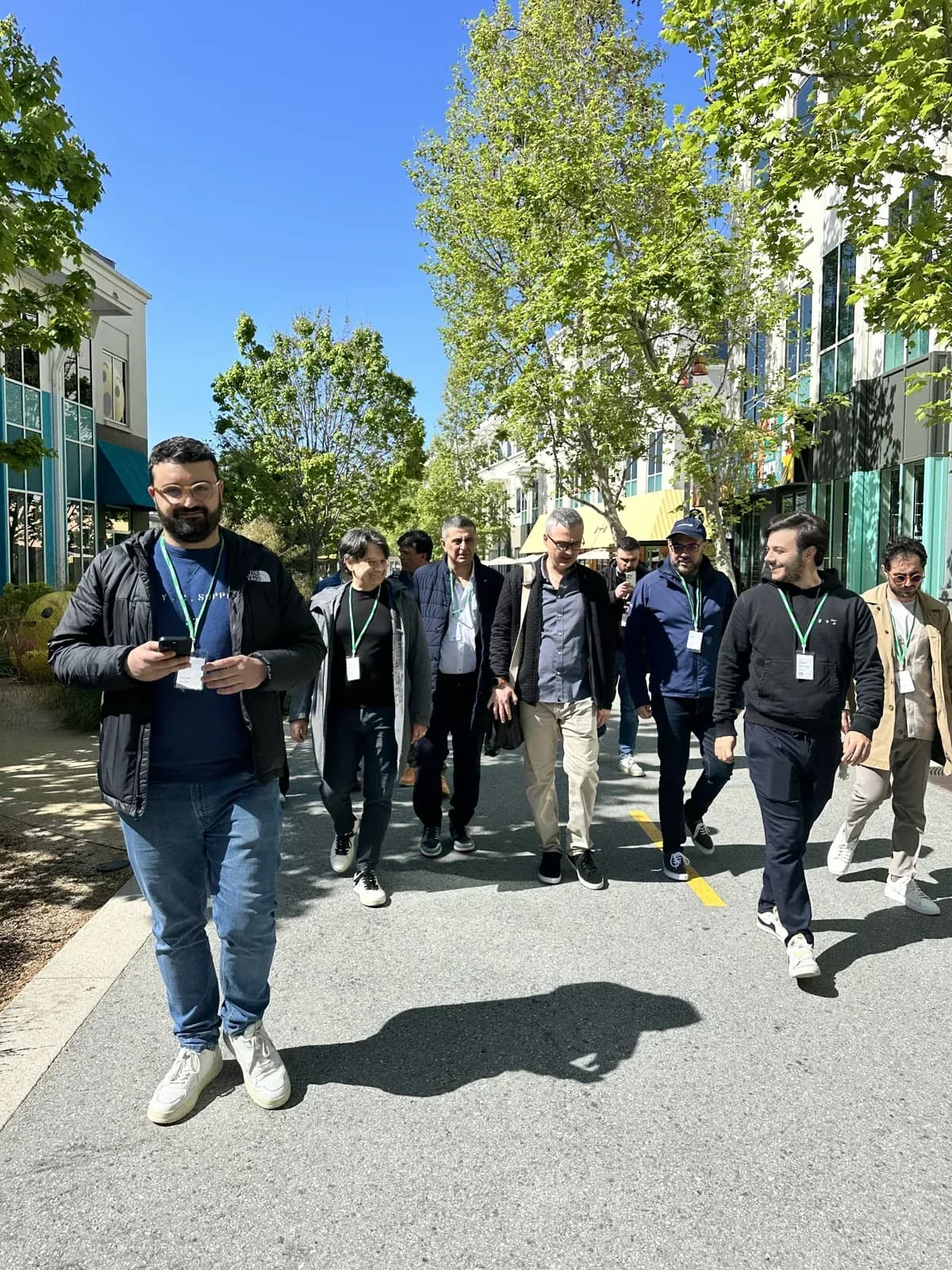
At Meta we were welcomed by Paolo Parigi: the scale of a company connecting billions of people is something that stays abstract until you see it. Then Cupertino, and the almost mythological aura of Apple's headquarters — proof that here, secrecy can still be a competitive advantage. The contrast with the openness of the Google and Meta campuses, designed so people never have to leave, was striking: two opposite philosophies, one goal — attracting and protecting the best talent.
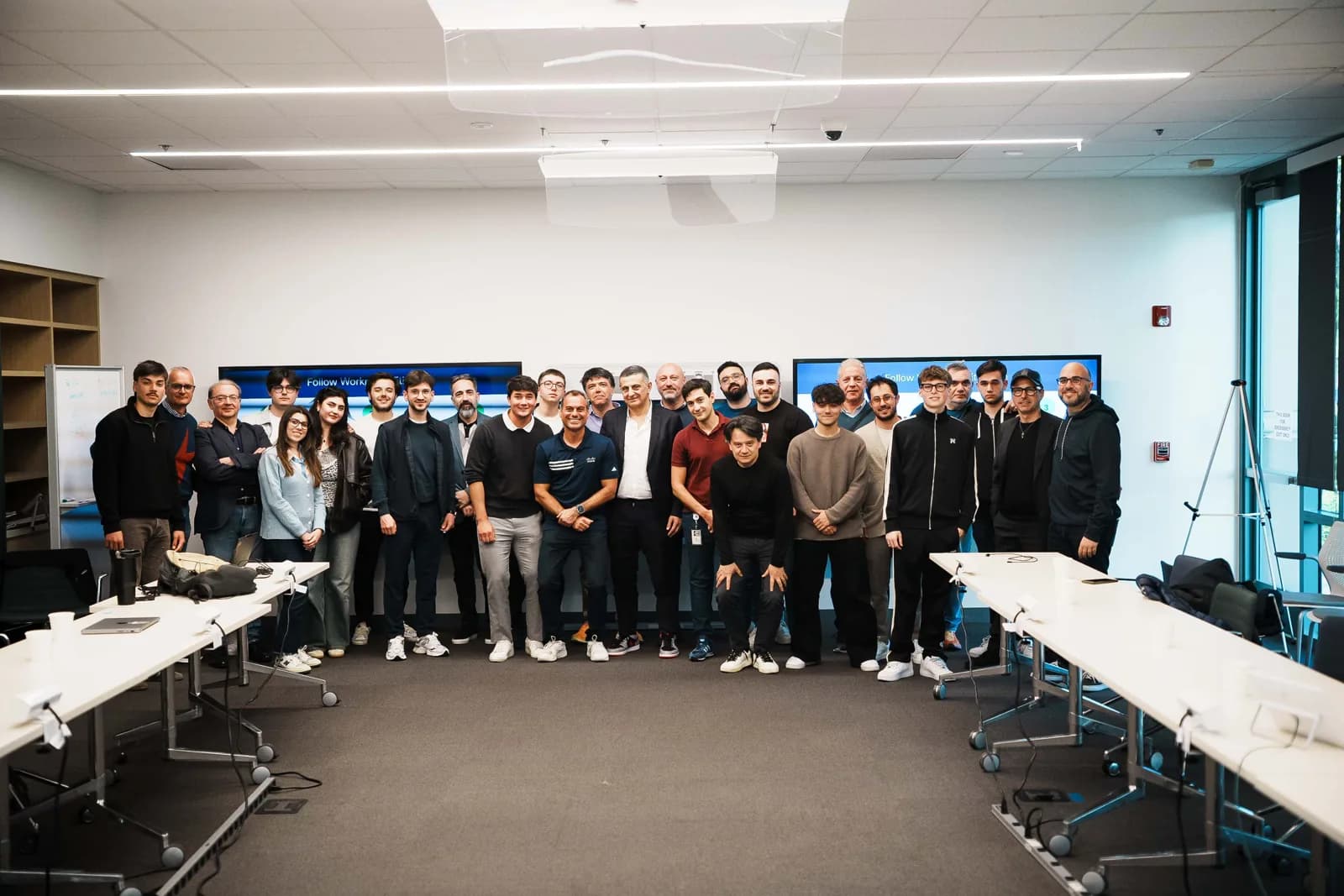
And at Cisco, with Massimo Malizia, an invaluable and very different kind of conversation: how a large company grows by acquiring others — a pitch on the craft of acquisitions that alone was worth the trip.
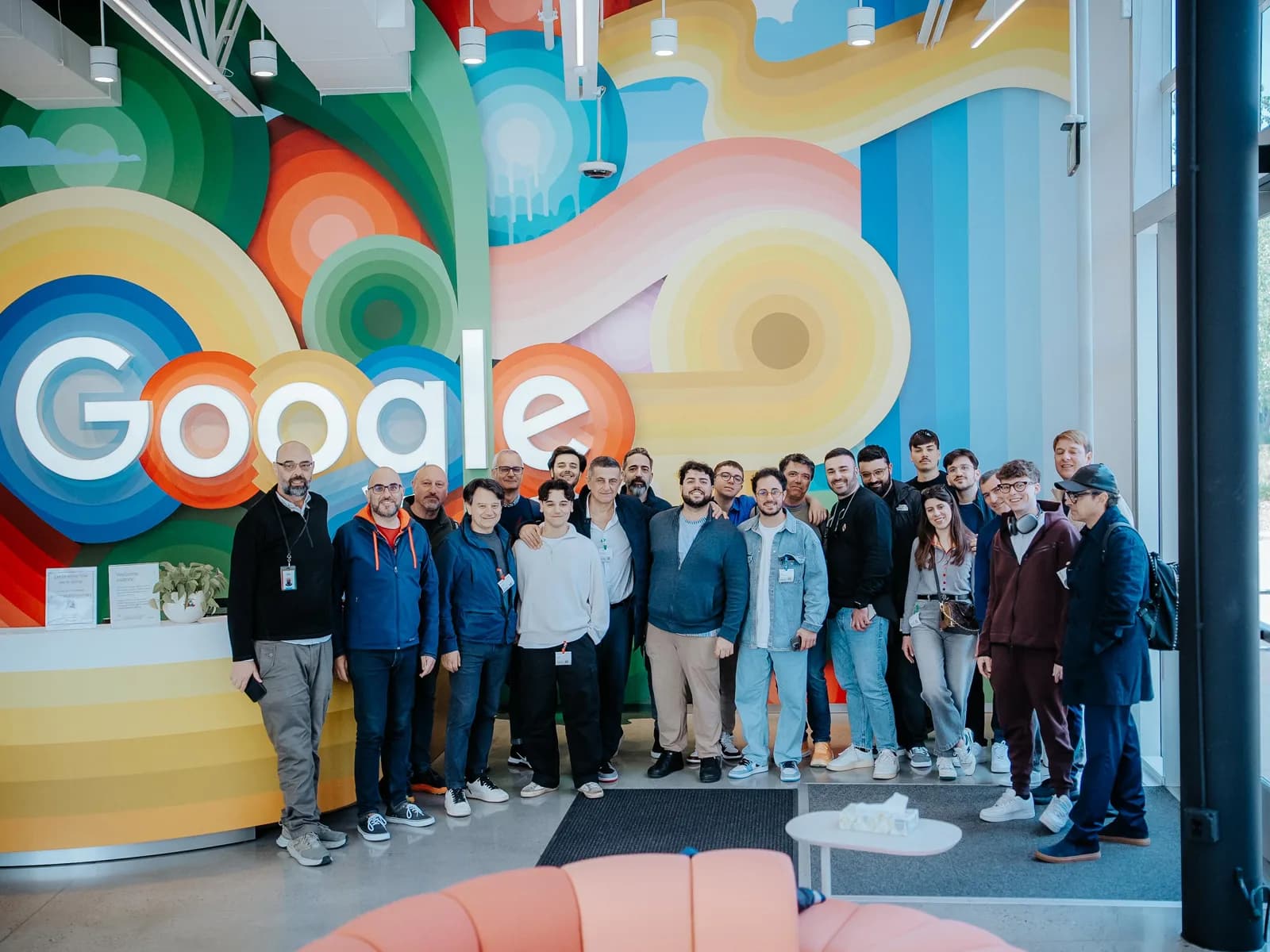
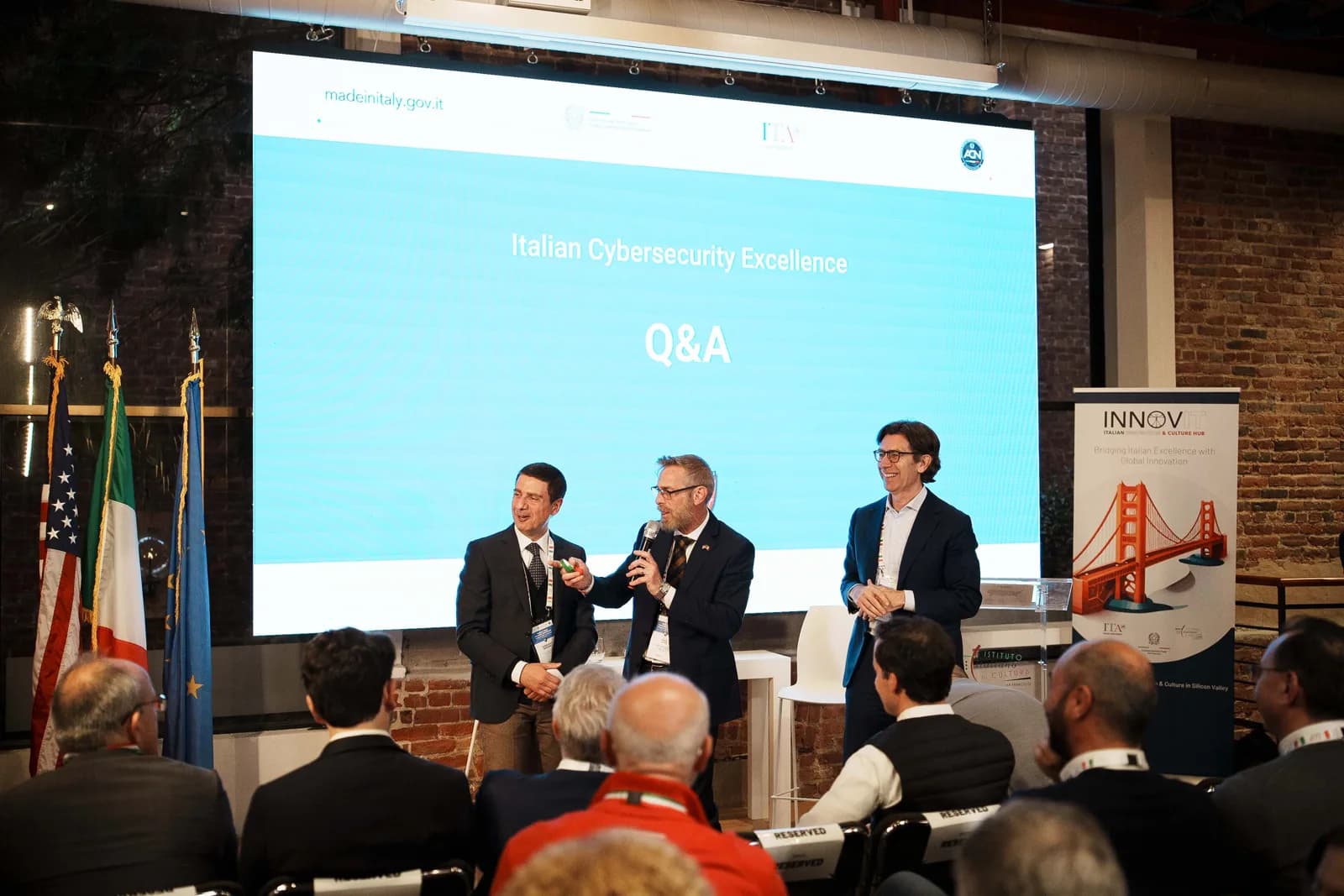
At Google, again with Alessandro Cannas, we walked through the Googleplex, where work culture is itself a product. Then a stop at Innovit, the Italian innovation hub in San Francisco, for a side event on cybersecurity: a reminder that Italy already has an outpost here — and it works.
The future is not something that happens to you — it is something you steer. And you steer it better if you have looked it in the eye.
The academic high point was Stanford University, where we were hosted by Professor Luigi Pistaferri: walking through the campus that spawned so much of the Valley explains better than any statistic why capital and knowledge, here, are one and the same.
To close, the Tesla plant in Sunnyvale, thanks to Andrea Esposito, and the farewell dinner. An automotive finale that, looking back today, feels like an omen: one year later, in China, we would see the same industry — the electric car — become the proving ground for a new era of global manufacturing.
What we brought home
We had not gone to Silicon Valley to sign contracts. We had gone to understand a method: the speed, the density, the culture that does not punish failure but turns it into experience. And above all, to verify on the ground the conviction that gave our Foundation its name: geographic boundaries are no longer a barrier. A group of people setting out from Italy can sit at the tables that matter, listen, learn and build relationships.
I brought three lessons home in my suitcase. First: here speed wins, not just the idea. Second: innovation never belongs to a single company, but to an ecosystem that connects capital, universities and businesses within a few blocks of each other. Third: a culture that does not punish failure, but treats it as experience to build on. These are the three ingredients that, in our own small way, we try to bring to Italy.
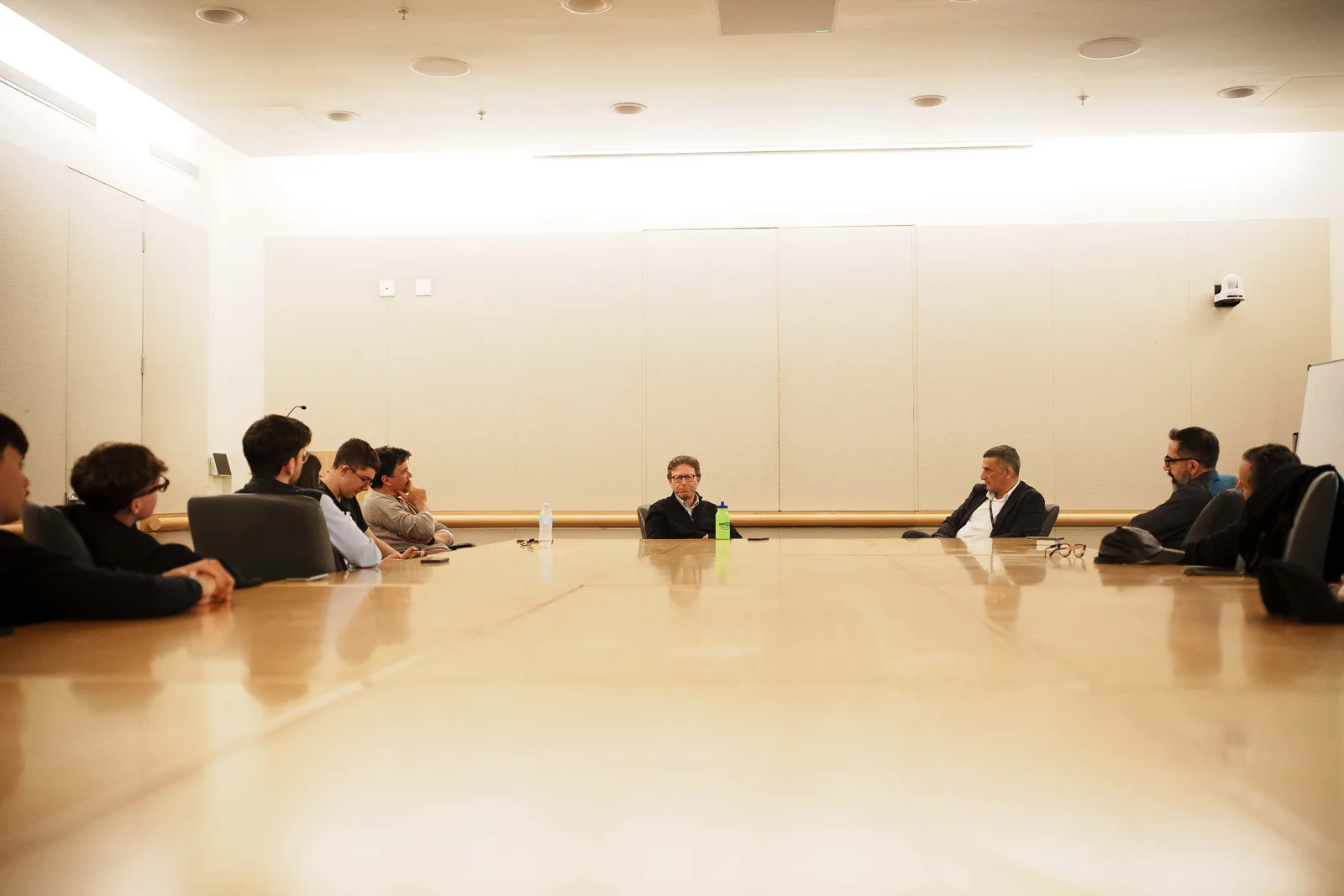
On that bus and in those rooms, entrepreneurs with thirty years of experience sat next to a student still at university: it is the snapshot of the bridge we want to build — between those making the decisions today and those who will inherit their consequences tomorrow.
The decisions we make about technology today shape the way we will live tomorrow.
This mission is not a finish line. It is the method we want to repeat: taking a delegation every year to the places where the future is being built, to observe it up close, build relationships and bring back to Italy what is worth learning. The future is not something that happens to you — it is something you steer. And you steer it better if you have looked it in the eye.
The strength of the mission was its delegation: a team that brought together business, finance, public healthcare, universities, law, communication and the innovation world. These are the twenty-six who crossed the Valley:
Images from the mission
Click to enlargeDon't miss the next field report.
Analysis from the field, early access to events and news from the tech world: one email a month, zero spam.